Sports Injuries
What Does a Board-Certified Sports Physical Therapist Actually Do?
By Norfolk Physical Therapy · · 3 min read
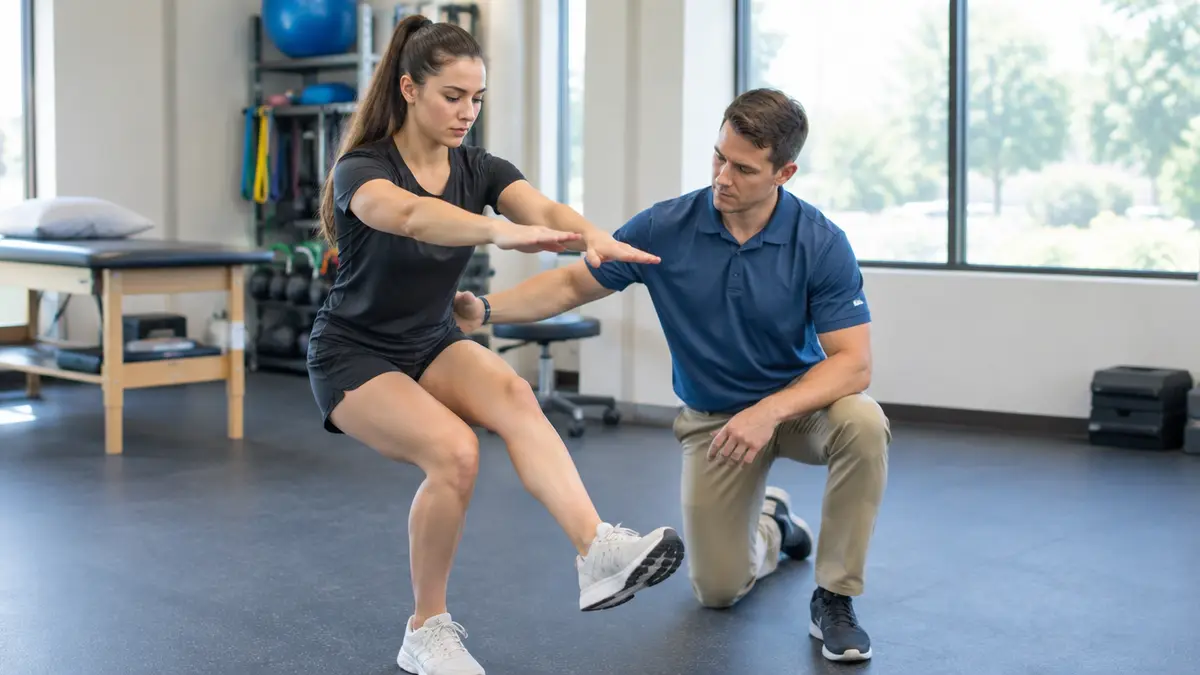
If you've ever looked up a physical therapist and seen a string of letters after their name, you're not alone in wondering what they mean. One of those credentials — SCS, or Board-Certified Clinical Specialist in Sports Physical Therapy — is especially important for athletes, and it's rare.
At Norfolk Physical Therapy, Doug Junge earned his SCS in 2005, and he remains the only board-certified sports physical therapist in Northeast Nebraska. Here's what that means for you.
What is a board-certified sports physical therapist?
All physical therapists are licensed to evaluate and treat movement problems. Board certification is an additional, voluntary step. The American Board of Physical Therapy Specialties awards the SCS credential to physical therapists who:
- Complete thousands of hours of direct clinical practice in sports physical therapy
- Hold current emergency response credentials
- Pass a rigorous specialty exam covering injury prevention, acute care, rehabilitation, and return to sport
- Maintain the certification over time through continued professional development
In plain terms, it means the therapist has demonstrated advanced knowledge and experience specifically in treating athletes and active people.
How sports physical therapy is different
A sports PT doesn't just treat the injury — they treat the athlete. That shows up in a few important ways.
They understand the demands of your sport. A volleyball outside hitter, a wrestler, a cross country runner, and a lineman put very different stresses on their bodies. Rehab has to match those demands, or the athlete returns underprepared.
They think in phases. Good sports rehab moves through clear stages: protect and calm the injury, restore motion, build strength and control, add speed and power, then practice sport-specific skills. Each phase has criteria to meet before moving on.
They use objective return-to-sport testing. "It doesn't hurt anymore" isn't enough. Before clearing an athlete, a sports PT compares strength side to side and tests hopping, cutting, landing, and other skills. Those numbers help reduce the risk of re-injury.
They work with your team. Sports PTs regularly communicate with physicians, athletic trainers, coaches, and parents so everyone understands the plan and the timeline.
More than one credential
Doug's SCS sits alongside several other credentials that shape his approach:
- ATC (Certified Athletic Trainer) — Doug was a student athletic trainer for the Nebraska Huskers at UNL and was on staff his final year. That sideline experience shows in how he thinks about acute injuries and return to play.
- CSCS (Certified Strength and Conditioning Specialist) — Strength is the foundation of injury recovery and prevention. This credential means the strength phase of your rehab is built on real training principles.
- Cert. MDT (McKenzie Method) — Advanced training in diagnosing and treating spine problems, which matters for athletes with back or neck pain.
You don't have to be a varsity athlete
"Sports" physical therapy isn't only for high school stars. We work with:
- Youth athletes in club and school sports
- Adults in rec leagues, softball, and pickleball
- Runners, cyclists, and people training for their first 5K
- Hunters, golfers, and people who simply want to stay active
- Workers whose jobs are as physically demanding as any sport
If moving well matters to your life, you'll benefit from a therapist who thinks like a sports specialist.
Common injuries a sports PT treats
- Ankle sprains and chronic ankle instability
- ACL, meniscus, and other knee injuries — before and after surgery
- Shoulder and elbow problems in throwers and overhead athletes
- Hamstring, groin, and calf strains
- Tendon problems like patellar or Achilles tendinopathy
- Low back pain in athletes
- Overuse injuries from training too much, too soon
Getting started
If you or your athlete is dealing with an injury, the sooner you get a plan, the sooner you'll be back. Learn more about sports therapy at Norfolk PT or meet Doug.
Call (402) 371-9707 or request an appointment at our Norfolk, Tilden, or Newman Grove clinic.
This article is general education, not medical advice. Everyone's situation is different — talk with your physician or physical therapist about your symptoms. If you have a medical emergency, call 911.