
Farm & Work
Tennis Elbow Isn't Just for Tennis Players: Wrenches, Hand Tools, and Elbow Pain
By Norfolk Physical Therapy · · 3 min read
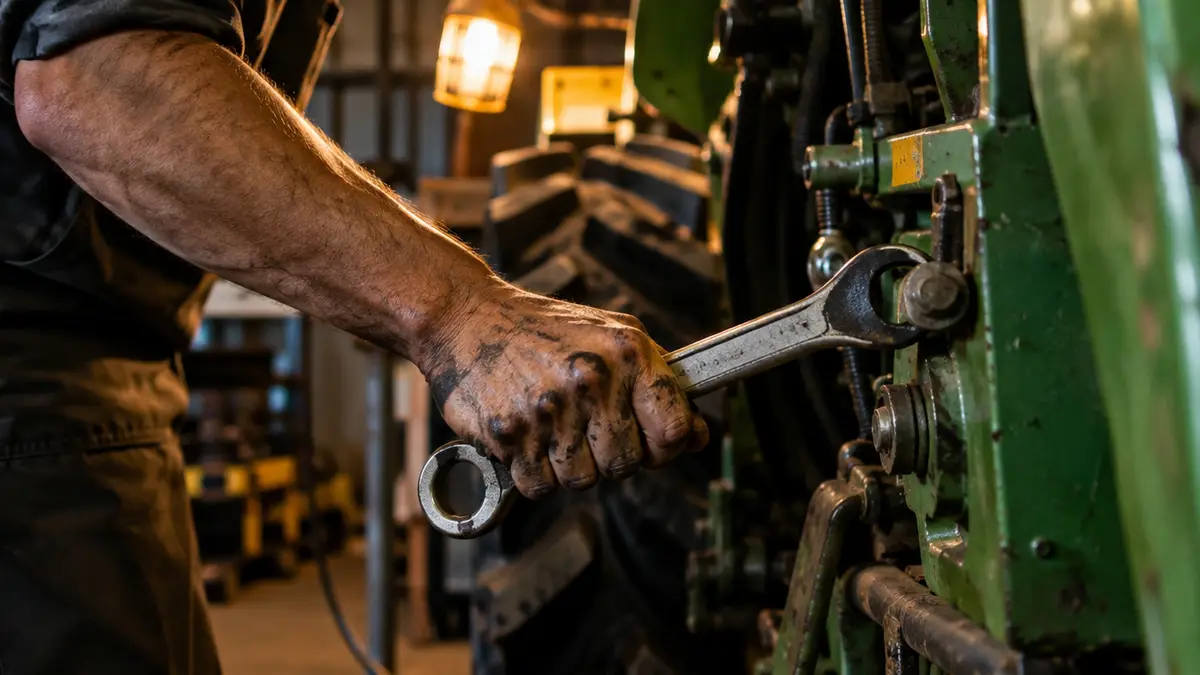
You don't have to swing a tennis racket to get tennis elbow. In fact, most people we treat for it have never played tennis. They're mechanics, farmers, carpenters, electricians, painters, and gardeners — anyone who grips, twists, and lifts with their hands day after day.
What is tennis elbow?
Tennis elbow, or lateral elbow tendinopathy, is a problem with the tendons on the outside of the elbow. These tendons connect the forearm muscles that extend your wrist and fingers to the bone on the outside of your elbow.
When those tendons are overloaded repeatedly, they can become irritated and start to break down. Despite the old name "tennis elbow tendinitis," the problem is usually more about tendon degeneration than inflammation.
Common symptoms
- Pain on the outside of the elbow
- Pain that worsens when gripping, lifting, or twisting — like turning a wrench, using a screwdriver, or lifting a gallon of milk
- Weak grip strength
- Pain that spreads into the forearm
Why it happens
Tennis elbow develops when the forearm tendons are asked to do more than they can handle. Common causes include:
- Repetitive gripping and twisting with tools
- Using vibrating tools
- Lifting with your palm facing down
- A sudden increase in activity, like a weekend project or a busy season
- Weak shoulder and upper back muscles that make the forearm work harder
What you can do at home
- Modify your grip. Lift objects with your palm facing up when possible. Use tools with larger, padded handles.
- Take breaks. Short, frequent breaks during repetitive work help reduce strain.
- Use a counterforce strap. A strap worn just below the elbow can reduce load on the tendon during activity.
- Don't completely rest it. Tendons respond to the right amount of load. Complete rest may ease pain temporarily, but it doesn't rebuild the tendon.
- Try gentle strengthening. Wrist extension exercises with a light weight, especially slow lowering, are often helpful. Ask a physical therapist for the right starting dose.
How long does tennis elbow last?
Without treatment, tennis elbow can linger for months or even more than a year. That's why many people come to us after trying braces, rest, and sometimes injections without lasting relief.
How physical therapy helps
At Norfolk Physical Therapy, we look at the whole arm — from your neck and shoulder down to your grip — to understand why your elbow is overloaded. Treatment may include:
Astym treatment
We're a certified Astym provider. Astym uses specially designed instruments along the forearm muscles and tendons to stimulate the body's healing response, encouraging healthy tissue regeneration and the remodeling of degenerated tissue. It's especially useful for stubborn tendon problems.
Progressive loading
Tendons get stronger when they're loaded gradually. We'll guide you through exercises that increase in difficulty as your tendon adapts.
Shoulder and upper back strengthening
A strong shoulder and upper back reduce how hard your forearm has to work.
Work and tool modifications
We'll help you find small changes that make a big difference on the job.
Dry needling and manual therapy
For some patients, dry needling or hands-on techniques help reduce pain and muscle tension in the forearm.
Don't let elbow pain slow you down
If gripping a wrench or shaking hands hurts, it's time to get it checked. Call (402) 371-9707 or request an appointment at our Norfolk, Tilden, or Newman Grove clinic.
This article is general education, not medical advice. Everyone's situation is different — talk with your physician or physical therapist about your symptoms. If you have a medical emergency, call 911.