Treatments Explained
Dry Needling vs. Massage: What's the Difference?
Dry needling and massage both target tight muscles, but they work differently. Learn how dry needling works, what it feels like, and who benefits most.
Read
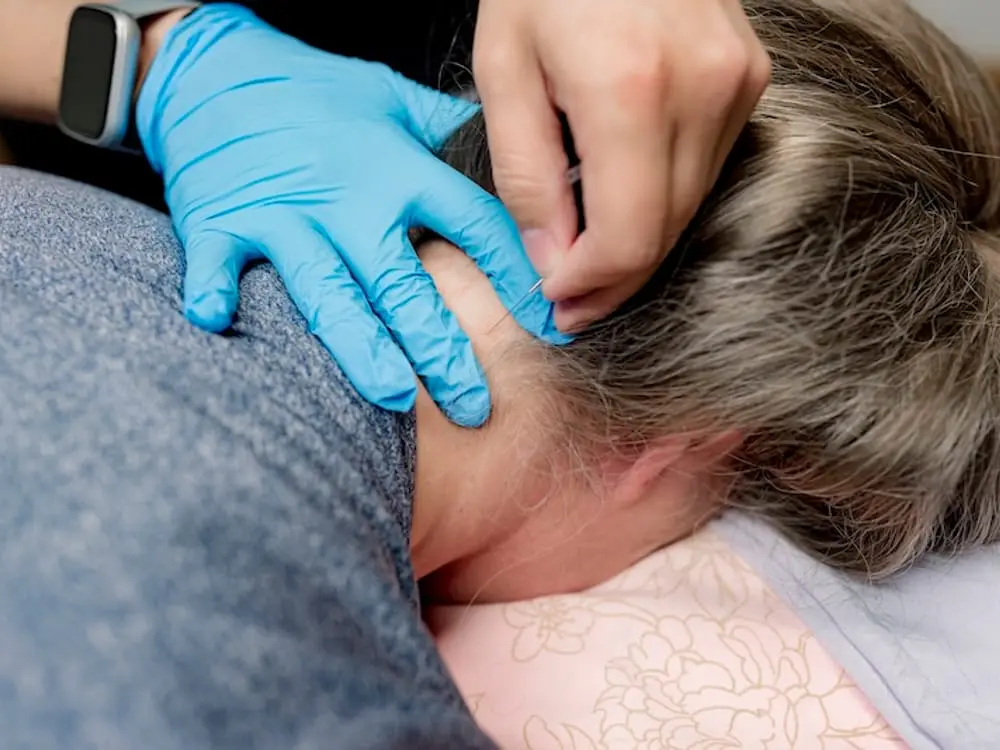
Dry needling uses thin, sterile needles to release tight bands of muscle and trigger points that keep pain and stiffness hanging around. Paired with exercise and manual therapy, it can be a fast track to relief for muscle-driven pain.
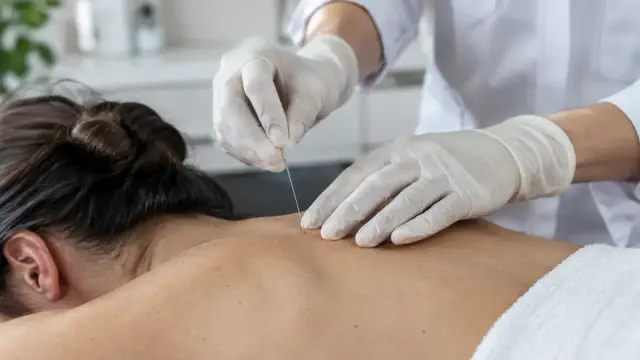
Dry needling uses a thin, solid, sterile filament needle to reach tight bands of muscle and trigger points that are hard to release with hands alone. When the needle reaches a trigger point, the muscle often gives a brief twitch and then relaxes, which can reduce pain and improve how the muscle moves and activates.
It's called “dry” needling because nothing is injected. It's not acupuncture — it's based on Western anatomy and the evaluation of your specific muscles and movement. We use it as one tool inside a complete plan of care, paired with manual therapy and exercise so relief carries over into how you move.
Most people feel the needle go in only slightly. When it reaches a trigger point, the muscle may twitch or ache briefly — many patients describe it as a deep, “good” discomfort. Soreness afterward usually fades within 24 to 48 hours.
No. They use similar needles, but dry needling targets specific muscles and trigger points identified during a physical therapy exam, based on Western anatomy and neuromuscular science.
Many people notice a difference within one to three sessions. It's always combined with exercise and other treatment, and your therapist will reassess each visit.
“Treat all patients as individuals and formulate treatment plans to reach your goals.”
— Doug Junge, PT, ATC, SCS, CSCS, Cert. MDT
Request an appointment and get a plan built around your goals — or call and we'll point you in the right direction.