
Sports Injuries
Volleyball Injuries: How High School Players Can Protect Their Shoulders and Knees
By Norfolk Physical Therapy · · 3 min read
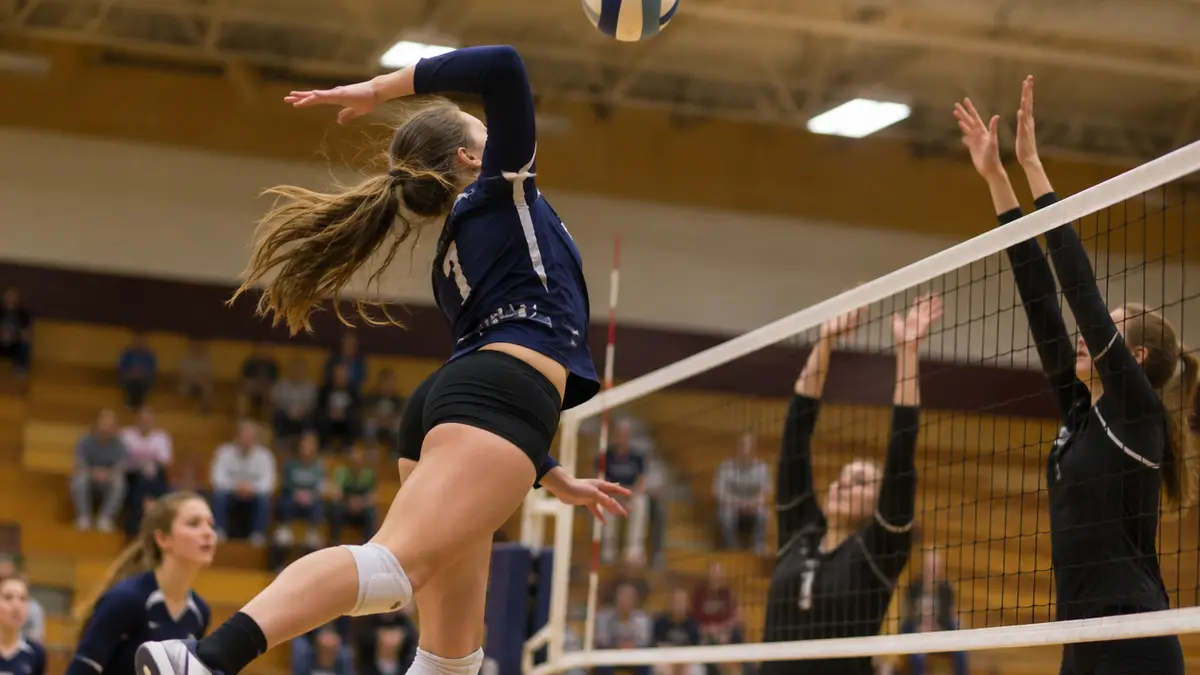
Nebraska is a volleyball state. From packed small-town gyms to the state tournament in Lincoln, the sport is a huge part of fall in Northeast Nebraska. But all that jumping, landing, and hitting puts real stress on young athletes' bodies — and by mid-October, we start seeing the injuries that come with it.
Here's a look at the most common volleyball injuries and what players, parents, and coaches can do to prevent them.
The big three volleyball injuries
1. Jumper's knee (patellar tendinopathy)
Repeated jumping loads the patellar tendon, which connects the kneecap to the shinbone. When the load outpaces the tendon's ability to adapt, players feel pain just below the kneecap — often worse when jumping, landing, climbing stairs, or after sitting for a while.
2. Shoulder pain in hitters and servers
Every attack and jump serve requires the shoulder to move through a huge range at high speed. Over a season, that can irritate the rotator cuff and the structures around the shoulder blade, especially if the muscles that stabilize the shoulder blade are weak or fatigued.
3. Ankle sprains
Most ankle sprains in volleyball happen at the net, when a player lands on a teammate's or opponent's foot. A sprained ankle that isn't rehabbed well is likely to be sprained again.
Prevention: what actually works
Learn to land well
How a player lands matters as much as how high she jumps. Good landing mechanics include:
- Landing softly on both feet when possible
- Bending at the hips and knees to absorb force
- Keeping the knees in line with the toes rather than letting them cave inward
A few minutes of landing drills during warm-ups, done consistently, can make a real difference. Neuromuscular warm-up programs that include jumping, landing, balance, and strength work have been shown to reduce lower-body injuries in youth athletes.
Build a strong posterior shoulder
Strong rotator cuff and shoulder blade muscles help control the arm through every swing. Simple exercises with a resistance band — external rotation, rows, and "Y-T-W" raises — two or three times a week support healthier shoulders.
Manage jumping volume
Volleyball players often play for school, club, and summer leagues with little break. Total jumping volume adds up. Coaches and parents can help by watching for players who are doing more than their bodies can handle, especially during weeks with multiple matches and tournaments.
Rehab ankle sprains completely
After a sprain, the ligaments heal, but balance and strength often lag behind. Balance training — single-leg stands progressing to hops and reaching drills — is one of the best ways to prevent a repeat sprain. Bracing or taping can add support during return to play.
Don't skip recovery
Sleep, hydration, and fuel matter for teenage athletes. Growth spurts, busy school schedules, and late-night tournaments make recovery even more important.
Warning signs parents should watch for
- Pain that changes the way your athlete jumps, hits, or runs
- Pain that lasts more than a few days or gets worse during the season
- Swelling, catching, or giving way in the knee
- Shoulder pain at night or pain that limits overhead reach
- An ankle that keeps rolling
Playing through pain may seem tough, but it often turns a short-term problem into a season-ending one.
How a sports physical therapist helps
At Norfolk Physical Therapy, volleyball players work with Doug Junge, the region's only board-certified sports physical therapist. We look at the whole chain — hips, knees, ankles, core, and shoulder — to figure out why the injury happened, not just where it hurts.
For jumper's knee, that often means a progressive tendon-loading program rather than complete rest. For shoulder pain, it's strengthening and mechanics work. For ankle sprains, it's restoring balance and agility before returning to the court. And before an athlete goes back to full play, we use objective testing so the decision is based on readiness, not just the calendar.
Learn more about our sports therapy services, or call (402) 371-9707 to schedule an appointment. Not sure your athlete needs therapy? Ask about a free injury screen.
This article is general education, not medical advice. Everyone's situation is different — talk with your physician or physical therapist about your symptoms. If you have a medical emergency, call 911.