
Seasonal Health
Get Your Legs Ready for Pheasant Season: A Hunter's Guide to Avoiding Injury
By Norfolk Physical Therapy · · 3 min read
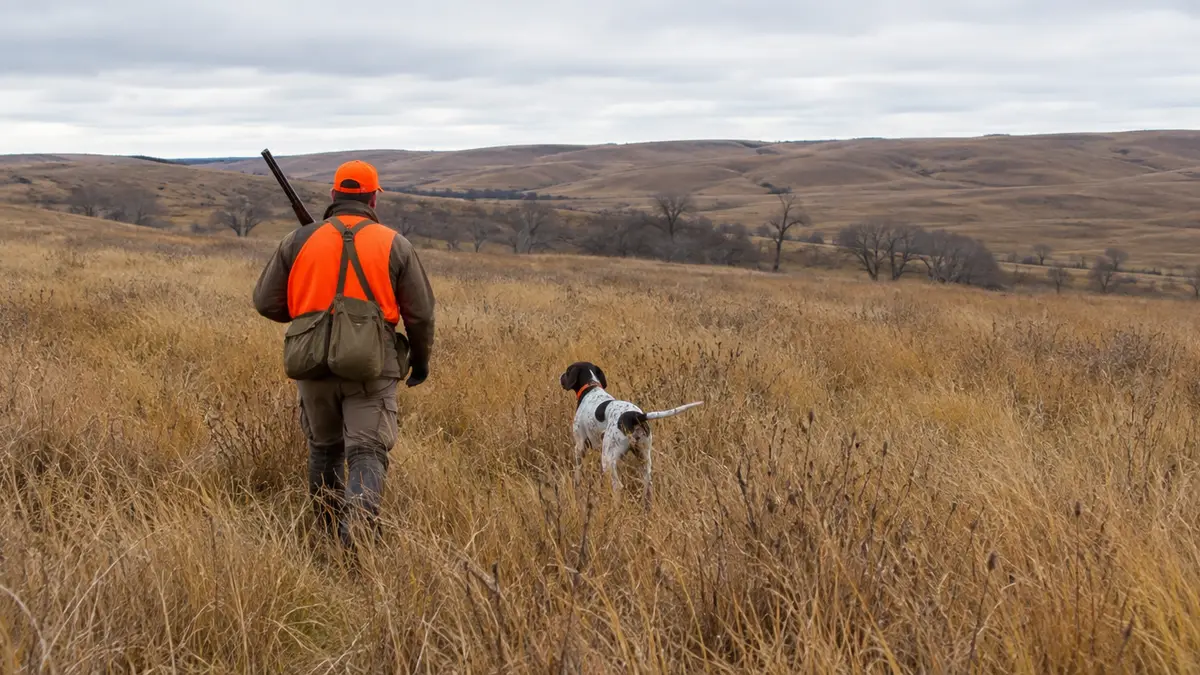
For a lot of families in Northeast Nebraska, pheasant season is a tradition. But walking miles of uneven ground through tall grass, cornstalks, and terraces is hard work — especially if you've spent most of the year behind a desk or in a tractor seat.
Every fall we see hunters with sore knees, aching hips, tweaked backs, and rolled ankles. With a few weeks of preparation, most of those injuries can be avoided.
Why upland hunting is so demanding
Walking a field isn't like walking on pavement. You're:
- Stepping high over grass and stalks for hours
- Walking on uneven, soft, or frozen ground
- Climbing terraces and ditches
- Carrying a shotgun, vest, and sometimes birds
- Making quick turns and stops when a bird flushes
That's a lot of work for the hips, knees, ankles, and lower back.
A simple pre-season plan
Start three to four weeks before your first hunt if you can. Even a couple of weeks helps.
1. Walk — on real terrain
Build up your walking time gradually. Start with 20 to 30 minutes and add 10 minutes every few days. Whenever possible, walk on grass, gravel, or trails rather than sidewalks. Wear your hunting boots for at least some of those walks so your feet and ankles adjust.
2. Strengthen your legs and hips
Do these two or three times a week:
- Sit-to-stand: Stand up from a chair without using your hands, 10 to 15 times. Progress by holding a weight.
- Step-ups: Step up onto a sturdy step or bench, alternating legs, 10 per side.
- Side-lying leg raises or banded side steps: Strengthen the hip muscles that keep your knees and pelvis stable on uneven ground.
- Calf raises: 15 to 20 slow reps, to support your ankles and feet.
3. Train your balance
Stand on one leg while brushing your teeth. When it gets easy, try it with your eyes closed or on a pillow. Better balance means fewer rolled ankles and falls on rough ground.
4. Protect your back
Hinging movements, like picking up a light object from the floor by pushing your hips back with a flat back, help prepare your back for lifting birds, dogs, and gear.
Hunt-day tips
- Warm up before you walk. Five minutes of easy walking, leg swings, and gentle squats gets your joints ready.
- Pace yourself. Take breaks, especially on the first day of the season.
- Wear supportive, broken-in boots. New boots on opening day are a recipe for blisters and sore feet.
- Stay hydrated and fueled. Cool weather can hide how much water you're losing.
- Watch your footing around terraces, ditches, and fence lines — and always handle your firearm safely when crossing obstacles.
After the hunt
Gentle walking and stretching the next morning often feel better than lying on the couch. Mild muscle soreness for a day or two is normal.
Get checked if you notice:
- Knee swelling or a knee that locks or gives way
- An ankle sprain that is still painful or unstable after a few days
- Back pain that travels down your leg
- Hip or groin pain that makes walking difficult
Make this your best season
If old injuries tend to flare up every fall, now is a great time to address them. At Norfolk Physical Therapy, we help hunters, farmers, and weekend warriors build strength and confidence for the activities they love. Learn about our sports therapy services, or ask about a free injury screen.
Call (402) 371-9707 or request an appointment. Good luck in the field this season.
This article is general education, not medical advice. Everyone's situation is different — talk with your physician or physical therapist about your symptoms. If you have a medical emergency, call 911.