Seasonal Health
Tree Stand Season: Protecting Your Back and Shoulders as a Deer Hunter
By Norfolk Physical Therapy · · 3 min read
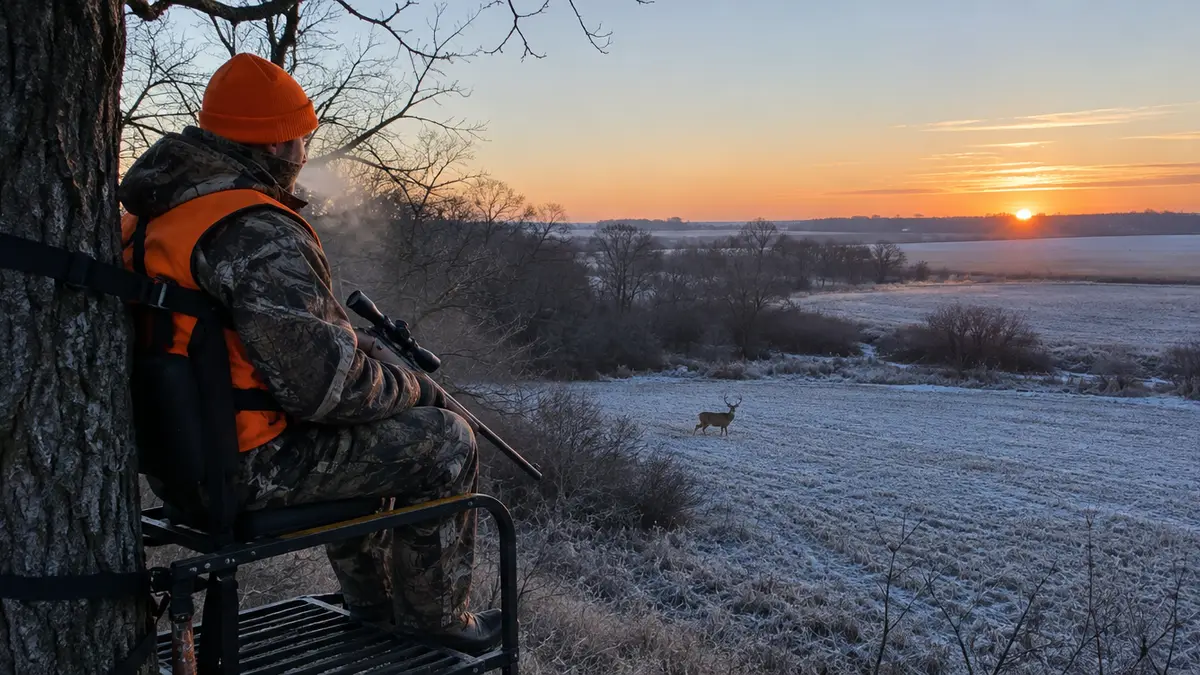
November in Nebraska means deer season, and for many families it's one of the most anticipated weeks of the year. But between setting up stands, climbing ladders in the dark, sitting still in the cold for hours, and dragging a deer out of the timber, it's also a week that's hard on backs and shoulders.
Here's how to stay safe and healthy this season.
Safety first
Falls from tree stands are one of the most serious hunting-related injuries. Always:
- Wear a full-body safety harness, attached from the moment you leave the ground until you're back down
- Use a lifeline when climbing
- Inspect stands, straps, and ladders before each season
- Use a haul rope to raise and lower your firearm, bow, and gear — never climb with them
Common deer season aches and pains
Low back pain
Carrying stands, hauling gear, and especially dragging a deer can strain your low back. Long sits in a cold, cramped position don't help.
Shoulder strain
Climbing ladders, pulling yourself into a stand, and dragging put heavy demands on the shoulders. If you have a history of rotator cuff problems, deer season can bring them back.
Knee and hip pain
Climbing and walking through timber, creek bottoms, and fields is tough on knees and hips, especially if you're not used to it.
Prepare before the season
Even two or three weeks of preparation helps.
- Walk hills or stairs to build leg endurance.
- Strengthen your back and hips with bridges, bird-dogs, and hip hinges.
- Work on your shoulders with band rows and external rotation exercises.
- Practice your climb in daylight before opening morning.
Stay loose in the stand
Sitting still in the cold makes muscles stiff. While you wait:
- Gently tighten and relax your leg, glute, and back muscles
- Slowly roll your shoulders and turn your head
- Shift your position periodically
- Dress in layers to stay warm — cold muscles are more prone to strain
Dragging a deer the smart way
Dragging is where many back injuries happen.
- Use a drag harness or sled. Pulling with a harness across your chest and shoulders spreads the load and keeps your spine more upright than bending over and pulling by hand.
- Get help. Two people make the job much easier and safer.
- Take breaks. Short rests reduce fatigue, and fatigue is when injuries happen.
- Lift with your legs. When loading a deer into a truck, get close, bend your hips and knees, and avoid twisting. Better yet, use a ramp, hoist, or extra hands.
- Consider a cart. A game cart can save your back on long hauls.
Aftercare
If you're sore after the hunt, gentle movement — walking, light stretching — usually helps more than resting all day. Heat can help stiff muscles relax.
Get evaluated if:
- Back pain travels down your leg or comes with numbness or weakness
- Shoulder pain limits overhead reach or keeps you up at night
- Pain lasts more than a week or keeps getting worse
Get ready for next season
If deer season left you hurting, don't just wait for it to go away. At Norfolk Physical Therapy, we can find what's driving your pain and give you a plan to fix it. Learn about our care for back and neck pain and shoulder and orthopedic injuries.
Call (402) 371-9707 or request an appointment. Stay safe out there.
This article is general education, not medical advice. Everyone's situation is different — talk with your physician or physical therapist about your symptoms. If you have a medical emergency, call 911.