Seasonal Health
How to Shovel Snow Without Hurting Your Back
By Norfolk Physical Therapy · · 3 min read
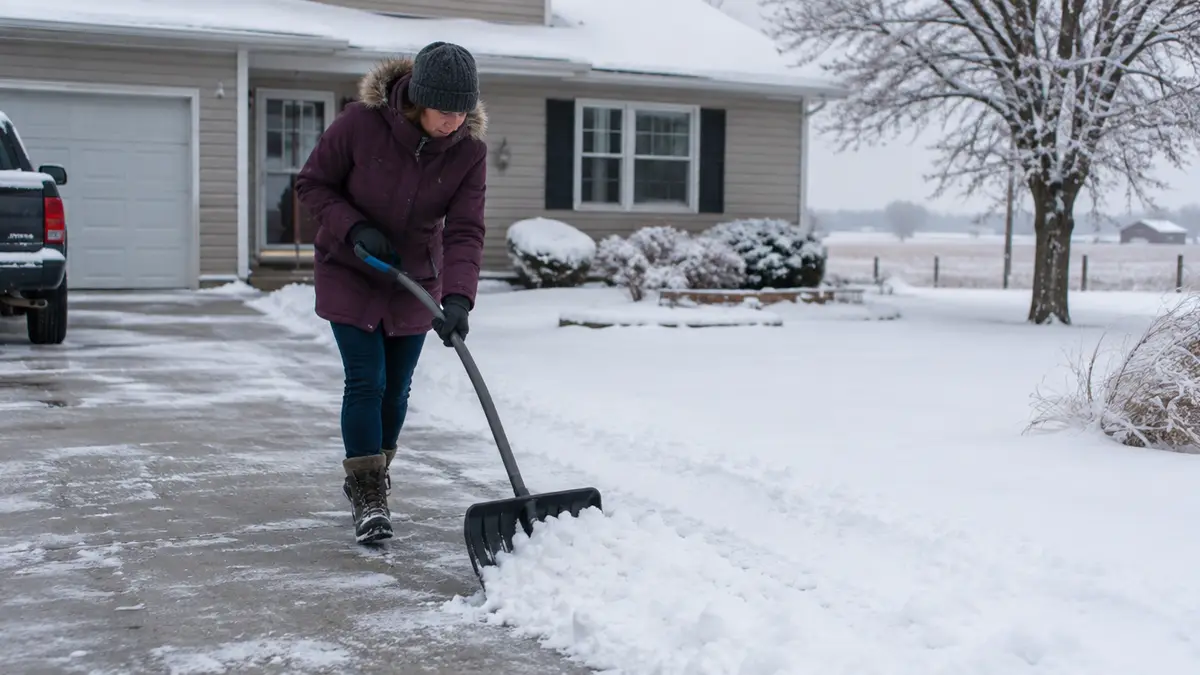
Nebraska winters are no joke, and the first big snow of the season always brings a wave of back pain into our clinic. Shoveling combines heavy lifting, bending, twisting, and cold muscles — a tough mix for your spine.
Here's how to clear your driveway without hurting your back.
Why shoveling is so hard on your body
- Heavy loads. Wet, packed snow can be surprisingly heavy, especially when you fill the shovel.
- Bending and twisting. Throwing snow over your shoulder combines two of the riskiest movements for your back.
- Cold muscles. Muscles and joints are stiffer in the cold.
- Sudden effort. Many people go from sitting all week to an intense workout outdoors.
Snow shoveling is also hard on the heart. If you have heart disease or risk factors, talk to your doctor before shoveling, and stop immediately if you feel chest pain, shortness of breath, or dizziness.
Before you start
- Warm up for five minutes. March in place, do gentle squats, and swing your arms.
- Dress in layers. Warm muscles are less likely to be strained.
- Wear boots with good traction. Falls on ice cause many winter injuries.
- Pick the right shovel. A lightweight shovel with a curved or adjustable handle can reduce bending. A smaller blade means lighter loads.
How to shovel safely
Push, don't lift
Whenever possible, push the snow to the side rather than lifting it. Pushing is much easier on your back.
When you must lift, use your legs
- Face the snow you're lifting
- Bend at your hips and knees, not your waist
- Keep your back straight and chest up
- Hold the shovel close to your body with one hand near the blade
- Lift with your legs
Don't twist or throw
Throwing snow over your shoulder or to the side while your feet are planted is a classic way to injure your back. Instead, turn your whole body by pivoting your feet, then dump the snow.
Take smaller scoops
Lighter loads mean less strain. It may take a few more trips, but your back will thank you.
Pace yourself
Take breaks every 10 to 15 minutes. Stretch, catch your breath, and drink some water.
Shovel early and often
During a big storm, shoveling a few inches at a time is easier than tackling a deep, heavy pile all at once.
After you shovel
Take a short walk inside, do a few gentle backbends, and stretch your hips and legs. Mild muscle soreness is normal. Pain that's sharp, severe, or travels down your leg is not.
When to get help
See a physical therapist or physician if:
- Back pain doesn't improve after a few days
- Pain travels down your leg
- You have numbness, tingling, or weakness
- You've injured your back shoveling before and want to prevent it this year
Seek emergency care if back pain comes with loss of bladder or bowel control or numbness in the groin.
Consider a snow blower or help
If you have a history of back problems, heart disease, or are older, it may be worth using a snow blower, hiring help, or asking a neighbor. There's no shame in protecting your health.
Get back to winter
If shoveling leaves you with back pain this winter, we can help you recover quickly. Learn more about our care for back and neck pain, or call (402) 371-9707 to schedule an appointment at our Norfolk, Tilden, or Newman Grove clinic.
This article is general education, not medical advice. Everyone's situation is different — talk with your physician or physical therapist about your symptoms. If you have a medical emergency, call 911.